"هيوماين السعودية تقترب من صفقة تاريخية مع الولايات المتحدة لتأمين شرائح الذكاء الاصطناعي المتقدمة"
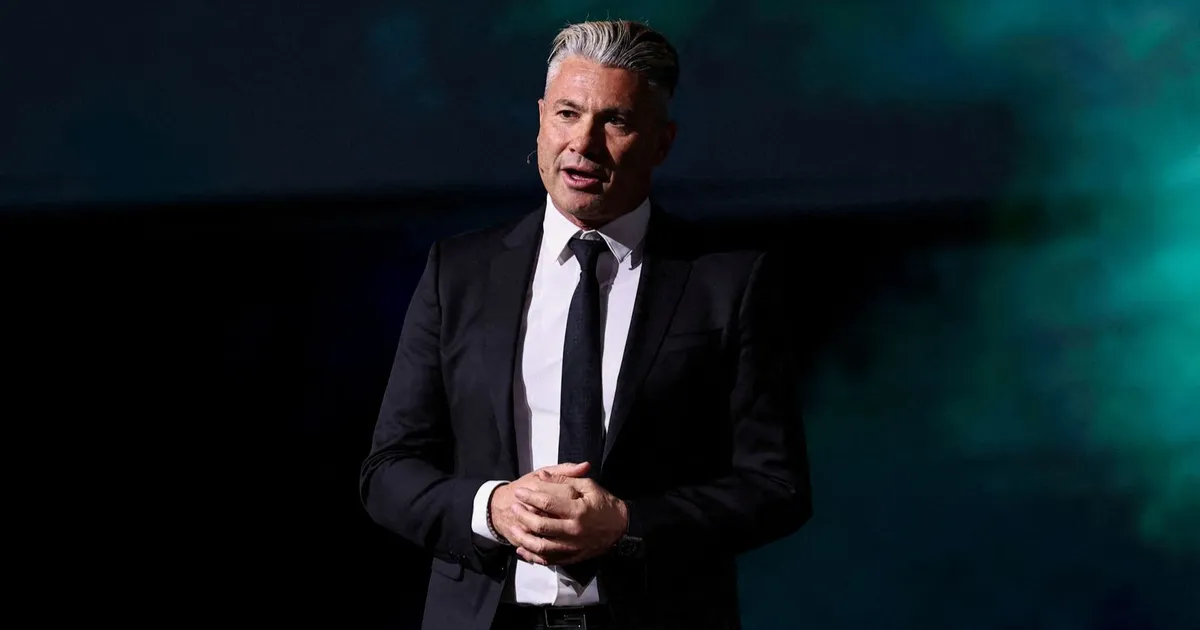
Saudi Arabia is steadily advancing its ambitious vision to become a global powerhouse in artificial intelligence, with “Humaine,” a Saudi AI company led by CEO Tarek Amin, emerging as a central player in this transformation. Amin expressed strong confidence that the United States will approve the sale of advanced AI chips to the Kingdom after Humaine provided detailed assurances to U.S. officials, including a commitment not to purchase any equipment from China’s Huawei. This move comes amid Washington’s longstanding restrictions on Chinese tech firms such as Huawei and Semiconductor Manufacturing International Corp. Launched in May and owned by Saudi Arabia’s Public Investment Fund (PIF), Humaine is positioned as the cornerstone of the Kingdom’s national AI strategy, aimed at establishing Saudi Arabia as a global hub for advanced computing capabilities. During the Future Investment Initiative (FII) in Riyadh, Humaine announced several major projects, including a $3 billion partnership with Blackstone to develop data centers across the Kingdom, with potential future collaborations involving global giants such as BlackRock, KKR, and DigitalBridge. Amin’s vision is for Humaine to become the world’s third-largest provider of computing power, following the United States and China, despite challenges in acquiring advanced AI accelerators from U.S. companies like NVIDIA. Saudi and U.S. officials have been working together for months to streamline export licensing for advanced AI chips while ensuring strict safeguards that prevent such technologies from reaching China. Amin revealed that Humaine has developed a comprehensive “defensive package” outlining its security framework, emphasizing that it represents a new model of digital trust in the region. Humaine has also forged partnerships with several major tech players, including NVIDIA, Advanced Micro Devices (AMD), and California-based startup Groq. The company recently became the first customer for Qualcomm’s new AI chips designed to compete with NVIDIA’s offerings. All these companies have applied for export licenses to supply their products to Saudi Arabia. Looking ahead, Humaine plans to deploy around 18,000 AI chips in 2026 as part of its first operational phase, with a bold goal of reaching 400,000 chips by 2030 — a milestone that would significantly strengthen Saudi Arabia’s AI and high-performance computing infrastructure. Amin described the ongoing talks between the U.S. and Saudi Arabia as “highly positive,” hinting at a possible visit by Saudi Crown Prince Mohammed bin Salman, who also chairs Humaine’s board, to Washington next month — a move that could accelerate the final approval process. Meanwhile, Saudi Arabia’s Public Investment Fund and Aramco announced the signing of a non-binding memorandum of understanding for Aramco to acquire a significant minority stake in Humaine, while PIF will remain the majority shareholder. This strategic partnership underscores Saudi Arabia’s vision to integrate its national strengths in AI, digital infrastructure, and energy innovation — reinforcing its position as a global leader in technological transformation under Vision 2030